








|
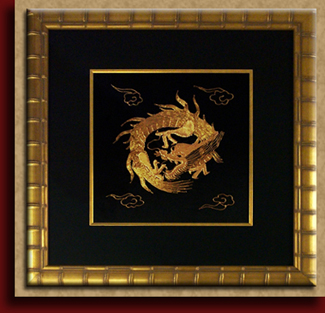
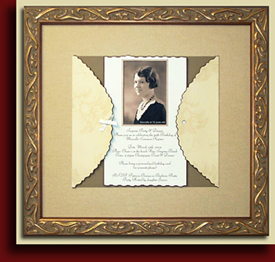
| Frame design encompasses so much more than simply putting a frame around your picture. The size, color, texture, and style all work together to enhance your artwork, while simultaneously complementing your unique personality and style. But the quality of the materials used will work to ensure that you will be enjoying your art for many years to come. With the right matting and frame, the framing package can become a work of art in and of itself. However, care should be taken that the design does not overpower the art by drawing too much attention to itself. Some may mistakenly take this to mean that the frame should always be small, or simple, or that the mat should only be a small border in some neutral tone. Not true. By taking into consideration the color, size, style, and visual texture of your artwork, the frame design will become part of the art, enhancing the piece as a whole. |
 |
The Matting |
As recently as 21 years ago, there were basically two options for matting—paper mats or 100% cotton rag. Rag mats at the time came only in white, which is why one only saw art framed with white mats in museums and art galleries. Today, we have three choices—paper, 100% cotton rag, and archival mats. The third option is a blend of paper and rag, but with the harmful acids, lignin, and other impurities removed. “Acid free” is a term one hears bandied around a lot these days, and is something of a misnomer. Paper mats are often advertised as “acid free” but this often refers only to the backing paper of the mat. The impurities are still present, and can potentially cause damage to you artwork, which is why we do not sell or recommend paper mats. By selling exclusively offering archival grade and 100% rag mats, we ensure our customers that their art will last for generations. |
The Frame |
 |
The Glass |
 |
As a rule of thumb, art on paper should always be under glass. Changes in humidity can cause exposed paper to buckle and warp, and airborne grease and dust can cause staining over time. Due to a continuous “out-gassing” by oil paints, paintings on canvas are generally not glazed. Over time, this out-gassing causes a greasy film to appear on the inside of the glass, which would have to be cleaned by a professional framer. Needle art, such as cross-stitch and crewel work, often are not glazed. However, this is usually a personal preference. Most framers will advise the use of glass, which will protect these often very labor-intensive works of art from staining and other damage. Any artwork that receives matting should always be glazed. Just as changes in humidity can cause buckling and damage to art on paper, the same damage can be caused to that carefully chosen mat design if not protected with glazing. |
What to frame? |
Consider the surroundings |
What do I choose? |
Visualize this! |
It’s all in the details |
Preservation |
© 2001-2023 Get The Picture, LLC All Rights Reserved Worldwide.